



Reviews
‘Wildcat’ Is as Unsettling as Flannery O’Connor Would Have Wanted
Ethan Hawke has made a movie as scandalous as one of the writer’s short stories.
Image: Courtesy of Oscilloscope Laboratories
News & ReportingImportant Developments in the Church and the World
May 3,
10:40 am
Hillsong Abuse Settlement Rejected Over NDA
Victim says she wants accountability more than money.

Chinese Christians Have Conflicted Feelings About ‘Saving Face’
Though a significant part of their culture, not all feel like it best honors how God wants conflict dealt with.

Conservative Methodists, Unite
After this week’s UMC votes on LGBTQ issues, African Methodists should join American conservatives in the new Global Methodist denomination.


Paid Content for Prison Fellowship
How churches can help kids begin to heal.

Why Almost Nobody Likes a Politician Shooting Her Dog
The widespread outrage over Kristi Noem’s book should awaken moral responsibility—not just toward pets but for one another.

The Bulletin Episode 81|51min
Intensity in Tent City
College students protest and the United Methodist Church splits.
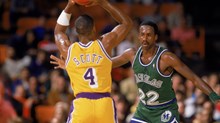
The Basketball Team Created to Represent God
The Dallas Mavericks were intended to be the first Christian team in the NBA.

The Anxious Church
Why the church has struggled to address mental illness well and how we can care better.
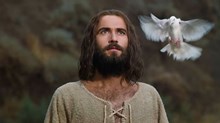
In Search of Most Beautiful Language, Scholars Turn to ‘Jesus’ Film
And other brief news from Christians around the world.

Finding a (Real) Christian College
A professor explains why examining a school’s doctrinal statement isn’t enough.

Particular Wrongs Need Particular Remedies
Every sin requires Christ’s atonement. But the Bible shows God punishing—and repairing—different sins differently.


Most Popular
 Clear
Clear-
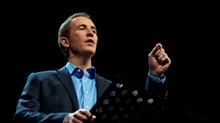 The Atlanta-area pastor has said he affirms a New Testament sexual ethic, but his words and deeds have muddled that message.
 -
 While we pray for peace, we need moral clarity about this war.
 -
 After their lawsuit was dismissed earlier this year, the group of 36 congregations will disaffiliate in November according to the UMC’s exit plan.
 -
 Her new memoir brings her voice into the story of "I Kissed Dating Goodbye." It also brings in an entirely different gospel.Français
