


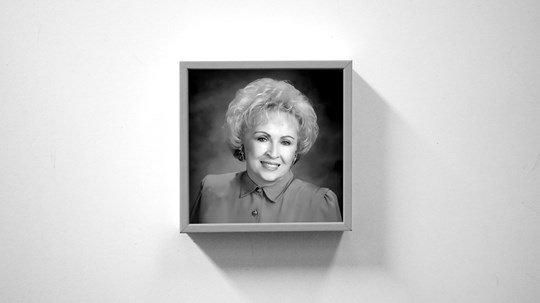
Died: Beverly LaHaye, Pastor’s Wife Who Led Religious Right
The founder of Concerned Women for America was credited by President Ronald Reagan with “changing the face of American politics.”
Image: Concerned Women for America / edits by Rick Szeucs
News & ReportingImportant Developments in the Church and the World

She Wrote Love Stories. Then Her Marriage Ended.
How a romance author journeyed with God through an unwanted divorce.

Sports Can Be a Touchdown for Faith. Beware of Encroachment.
As a lifelong athlete and coach, I know sports build character. But I worry about the idolatrous, selfish culture of American athletics.


Paid Content for TENx10
One million young people are leaving Christianity each year.
Being HumanEpisode 13|44min
The Chaplain Who Taught Steve Systems Theory: George Doebler
Learning to notice dynamics in ourselves and others.

Your Neighbors (Probably) Don’t Hate You
They might not even know you’re there. When paranoia eclipses our witness, here’s what to remember.

In ‘Civil War,’ What You See Is What You Try to Forget
The new dystopian thriller reminds viewers it’s not just what we witness that matters, but how.

Our Faith Is Not Too Fragile for Science
An excerpt from The Sacred Chain: How Understanding Evolution Leads to Deeper Faith.

The Bulletin Episode 77|54min
Don’t Bet the Farm On It
White Rural Rage, Christians and sports betting, and Israel’s complicated path forward.
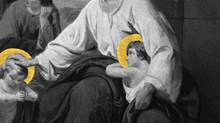
We Are ‘Gods’ Because We are God’s
The Book of John reminds us that Jesus’ humanity makes ours possible.

Viral JesusEpisode 118|41min
Brad Hill: AI and Its Impact on the Church
Heather and Brad Hill discuss artificial intelligence and what Christians should know about it.



Most Popular
 Clear
Clear-
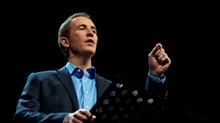 The Atlanta-area pastor has said he affirms a New Testament sexual ethic, but his words and deeds have muddled that message.
 -
 While we pray for peace, we need moral clarity about this war.
 -
 After their lawsuit was dismissed earlier this year, the group of 36 congregations will disaffiliate in November according to the UMC’s exit plan.
 -
 Her new memoir brings her voice into the story of "I Kissed Dating Goodbye." It also brings in an entirely different gospel.Français
