


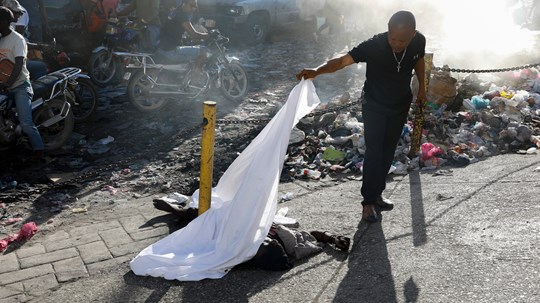
Haitians Are Ministering at the End of the World
As Haiti is uprooted by violence, church leaders treat gunshot wounds, give up homes for strangers, and rescue dignitaries.
FrançaisImage: Odelyn Joseph / AP Images
News & ReportingImportant Developments in the Church and the World

In Secular UK, Evangelical Alliance Experiences Record Growth
Leader explains why the movement is seeing its biggest membership bump in 30 years and its mission for the years ahead.

Finding an Uncontainable God Within Finite Poetic Spaces
Eastern Orthodox poet Scott Cairns reflects on his new collection, his journey of faith, and poetry’s capacity to apprehend inexhaustible realities.


Paid Content for Pushpay
We've got a practical tech playbook for church leaders.

Why Your Favorite Theologians Are All Talking about Theological Anthropology
Attention to bodies and cultural conflict has brought attention to the question of what it means to be human.
The Russell Moore ShowEpisode 102|40min
Mike Cosper on Church Hurt and Church Hope
CT’s director of media hasn’t just reported on spiritual pain—he’s lived it.

The Bulletin Episode 78|26min
Iran Attacks Israel
Iran launches a missile attack on Israel. Former Representative Adam Kinzinger weighs in.

Are the Global Methodists Evangelical?
Here’s why the new denomination may or may not fit the label.

What We Can Offer If We Uncircle the Wagons
Two new memoirs, Troubled and Between Two Trailers, make a powerful—if unintentional—case for the Christian ethos of family and community.
Where Ya From?Episode 70|52min
‘From Roots to Research’ with Nii Addy
Acclaimed neuroscientist Dr. Nii Addy shares how his familiarity with the unexpected continues to influence his work of bridging conversations surrounding neuroscience and faith.

She Wrote Love Stories. Then Her Marriage Ended.
How a romance author journeyed with God through an unwanted divorce.



Most Popular
 Clear
Clear-
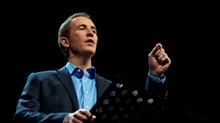 The Atlanta-area pastor has said he affirms a New Testament sexual ethic, but his words and deeds have muddled that message.
 -
 While we pray for peace, we need moral clarity about this war.
 -
 After their lawsuit was dismissed earlier this year, the group of 36 congregations will disaffiliate in November according to the UMC’s exit plan.
 -
 Her new memoir brings her voice into the story of "I Kissed Dating Goodbye." It also brings in an entirely different gospel.Français
