


News
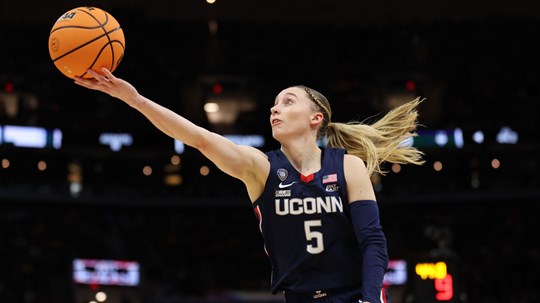
Christian Athletes Know How to Build Platforms for Jesus. Can They Brand Themselves?
NIL deals in college athletics present new challenges—and opportunities—for colleges and students.
Image: Steph Chambers / Getty Images
News & ReportingImportant Developments in the Church and the World
Apr 19,
3:07 pm
Died: Mandisa, ‘Overcomer’ Singer and American Idol Star
The Grammy-winning artist was found dead at her home in Nashville at age 47.

Your Church Drummer Has More and Less to Do These Days
How the keeper of the beat is adapting to shifts in worship music.

Viral JesusEpisode 120
Andrew Farley: 101 Bible Questions And the Surprising Answers You May Not Hear in Church
Heather and Andrew Farley discuss the Bible and questions you can’t ask in church.


Paid Content for Prison Fellowship
How churches can help kids begin to heal.

The New Testament Authors Had Enslaved Helpers. How Much Does That Matter?
They likely farmed out the most physically arduous elements of composition. But they (and God) still deserve credit for the words.
The Russell Moore ShowEpisode 103|46min
John Mark Comer’s Call to Practice, Not Performance
The art of apprenticeship to Jesus.

Eco-anxiety Is Crippling Gen Z. How Can We Move Forward?
Christians can disciple each other toward action, prayer, and hope.

Hold Your Clapbacks
C.S. Lewis recommended discernment over diatribes in exactly the moments we’re most eager to indulge in critique.

Our Gender on Earth as In Heaven
Will our gender be removed or renewed in the Resurrection?
Music & MeaningEpisode 11|35min
If It Were Easy, Everyone Would Do It
Charlie Peacock wonders how democratizing music creation—dropping the barrier to entry so low that anyone can write a song—affects the individual’s soul and our culture.

Confronting the 21st-Century Church with the First-Century Church
Nijay Gupta helps us rediscover the compelling strangeness of the earliest Christians.



Most Popular
 Clear
Clear-
 The Atlanta-area pastor has said he affirms a New Testament sexual ethic, but his words and deeds have muddled that message.
 -
 While we pray for peace, we need moral clarity about this war.
 -
 After their lawsuit was dismissed earlier this year, the group of 36 congregations will disaffiliate in November according to the UMC’s exit plan.
 -
 Her new memoir brings her voice into the story of "I Kissed Dating Goodbye." It also brings in an entirely different gospel.Français
