


News
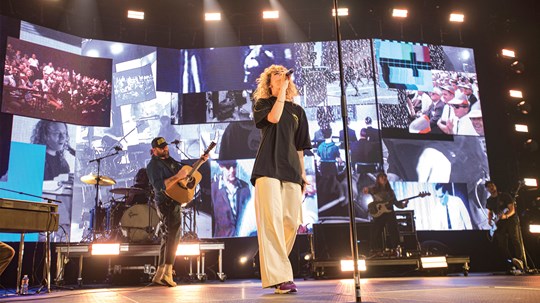
Where Worship Doesn’t Translate
How groups like Hillsong learned to let go of the literal in favor of creative collaboration.
españolPortuguêsImage: Daniel Knighton / Stringer / Getty
News & ReportingImportant Developments in the Church and the World

Care for the Environment Is Biblical. It’s Also a Witness to Environmentalists.
Do activists often invest their work with religious significance? All the more reason for Christians to be discerning co-laborers.

India Says It Has a Border Crisis. Christians Say the Solution Will Divide Them.
The government plans to close its porous border with Myanmar to boost security, separating ethnic groups that straddle the boundary.

Paid Content for Prison Fellowship
Hear one former prisoner's remarkable story of redemption and forgiveness and a life he never thought possible.

What Antisemitic Campus Chants Tell Us About This Angry Era
The rage of the mob is a poor substitute for real community.
The Bulletin Episode 80|37min
One on One with Tim Carney
How the West became family unfriendly, and what we can do about it.

Let the Cultural Christians Come unto Jesus
The world is realizing anew that our faith has tangible benefits. This is an opportunity for the gospel.
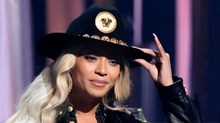
If This Ain’t Country, Expand Your Canon
Beyoncé’s right. Whether listening to Cowboy Carter or reading theology, diversity is a good thing.

Your Church Drummer Has More and Less to Do These Days
How the keeper of the beat is adapting to shifts in worship music.

Viral JesusEpisode 120
Andrew Farley: 101 Bible Questions and the Surprising Answers You May Not Hear in Church
Heather and Andrew Farley discuss the Bible and questions you can’t ask in church.
The Church Shouldn’t Be an Echo Chamber
Let us not give up meeting together—even when we disagree.



Most Popular
 Clear
Clear-
 The Atlanta-area pastor has said he affirms a New Testament sexual ethic, but his words and deeds have muddled that message.
 -
 While we pray for peace, we need moral clarity about this war.
 -
 After their lawsuit was dismissed earlier this year, the group of 36 congregations will disaffiliate in November according to the UMC’s exit plan.
 -
 Her new memoir brings her voice into the story of "I Kissed Dating Goodbye." It also brings in an entirely different gospel.Français
